Modern dentistry continues to evolve, and one of the most exciting innovations in recent years is laser dentistry. As patients increasingly seek faster, less painful, and more precise dental treatments, lasers have become a valuable tool in the hands of skilled professionals. However, as with any medical technology, questions about safety naturally arise. Understanding the risks and benefits of laser dentistry can help you make an informed decision about your oral care.
Understanding Laser Dentistry
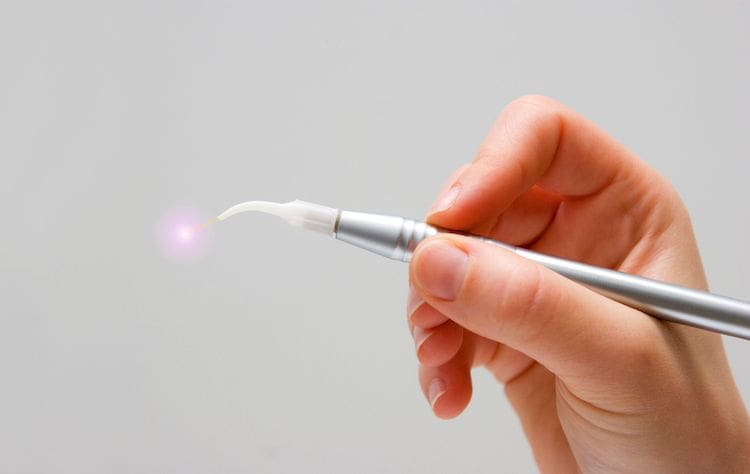
Laser dentistry uses focused light beams to perform a range of dental procedures. “Laser” stands for Light Amplification by Stimulated Emission of Radiation. In simple terms, it’s a device that produces a concentrated beam of light energy, which can be used to cut, reshape, or remove tissue with incredible precision.
There are two main types of dental lasers: soft tissue lasers, which work on the gums and other soft tissues, and hard tissue lasers, which are used on teeth and bone. Dentists may use lasers for a variety of treatments, such as cavity detection and removal, gum reshaping, whitening, and even treating infections in root canals.
The Safety of Laser Dentistry
Laser dentistry is considered very safe when performed by a qualified and properly trained dental professional. In fact, lasers have been approved by the U.S. Food and Drug Administration (FDA) for various dental procedures, and numerous studies have confirmed their safety and effectiveness. One of the reasons laser dentistry is viewed as safer than some traditional methods is its precision. Lasers allow dentists to target only the affected area, leaving surrounding tissue largely untouched. This minimizes damage, reduces the risk of infection, and promotes faster healing.
Additionally, because lasers often cauterize as they cut, bleeding is greatly reduced. Patients frequently report less discomfort during and after procedures, and in some cases, anesthesia may not even be necessary. These advantages make laser dentistry particularly appealing to patients who experience dental anxiety or have a low pain threshold.
That said, safety also depends on the dentist’s skill and experience. Not all dental professionals are trained in the use of lasers, and improper handling could lead to unintended tissue damage or burns. Patients should always confirm that their dentist has specific certification and training in laser technology before undergoing any treatment.
Potential Risks and Considerations
While the risks are minimal, it’s important to recognize that no dental procedure is completely risk-free. Overexposure to laser light, for instance, could cause damage to oral tissues or eyes if proper protective measures aren’t followed. This is why both the patient and dental staff must wear special protective eyewear during treatment.
Another consideration is that not every dental procedure can or should be performed with a laser. In some cases, traditional drills and tools are still more effective, especially when it comes to removing certain types of fillings or addressing large areas of decay. Furthermore, laser dental equipment can be costly, which may make procedures more expensive for patients. Despite these limitations, complications are rare when laser dentistry is performed by an experienced practitioner. The benefits often outweigh the potential downsides.
What Patients Can Expect
If you’re considering a laser dental procedure, your dentist will begin by examining your oral health and determining whether you’re a good candidate. During the procedure, you’ll wear protective glasses, and the dentist will use a small laser device to target specific areas. Most patients describe the experience as comfortable, with less vibration and noise compared to traditional drilling. Afterward, there may be mild tenderness, but healing typically occurs much faster.
Post-treatment care is usually straightforward. Since lasers promote clotting and sterilize the area as they work, there’s less risk of swelling or infection. Your dentist may still recommend avoiding certain foods or activities for a short period to allow for complete healing.
Laser Dentistry in Lyndhurst, NJ
At Ridge Family Dental, we are dedicated to helping you improve and preserve your oral health. If you have gum disease or another soft-tissue dental condition, laser dentistry may be right for you. Contact our office today to schedule a consultation and learn more about your treatment options.